
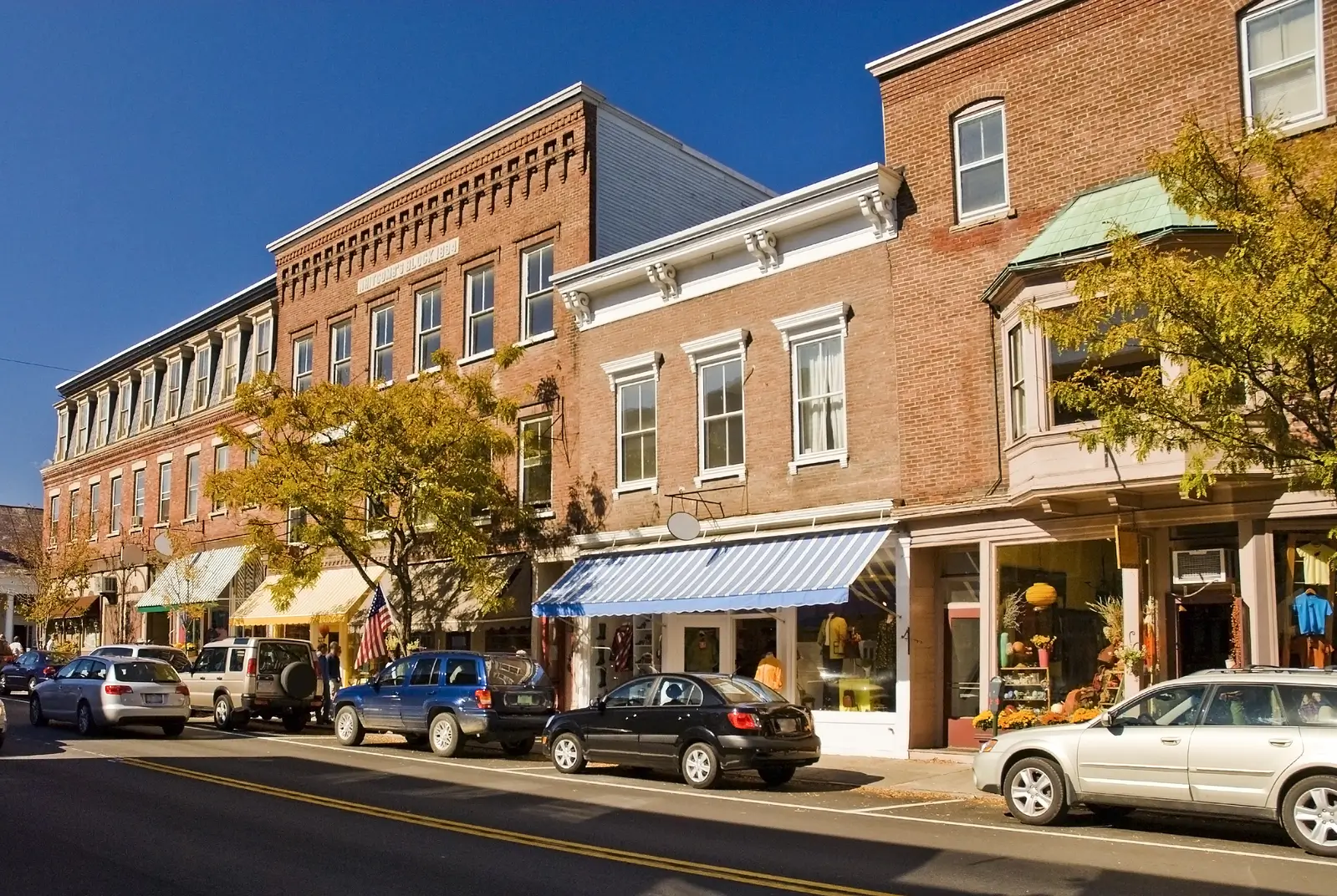
Older rental homes and multifamily buildings are a defining feature of many Indianapolis neighborhoods. Their charm, location, and character make them appealing to tenants, but they also present maintenance challenges that newer properties simply do not face.
Aging systems, outdated materials, and shifting local code expectations require landlords to take a more proactive and informed approach to upkeep. When maintenance falls behind, issues can escalate quickly, affecting habitability, safety, and long-term investment performance in any rented property.
With extensive experience managing aging properties across Marion County, PMI Midwest supports landlords in meeting legal standards, anticipating maintenance needs, and protecting the long-term value of older rentals.
This guide is designed to help property owners understand how Indiana landlord-tenant laws, housing codes, and practical upkeep all work together to keep older Indianapolis rentals safe and compliant. Read on for an essential overview of how to keep Indianapolis’s older rental homes safe, compliant, and resilient.
Key Takeaways
- Indiana requires landlords to maintain all essential systems in safe working order, regardless of a rental’s age.
- Moisture intrusion, aging wiring, and outdated plumbing are some of the most common issues in older Indianapolis homes.
- Fire hazards, structural concerns, and weak security features often appear in aging properties and must be addressed promptly.
- Preventive maintenance and long-term planning significantly reduce repair costs and compliance risks.
Indiana Legal Requirements and Habitability Standards for Older Rentals
Habitability Expectations for Aging Homes
Indiana’s habitability laws and broader Indiana landlord-tenant laws make no distinction between old and new housing. Even if a rental unit contains original features or older systems, landlords must ensure that the home remains safe, sanitary, and functional under Indiana state law.
Older homes often require more frequent inspections because aging components tend to fail without much warning, and landlords in Indiana are still bound to keep them in clean and proper condition. More details on these obligations can be found in the Indiana landlord habitability rules.
These obligations exist within the wider framework of landlord-tenant laws that govern the landlord-tenant relationship, tenant rights, and what happens if a landlord fails to maintain a rental property. Tenants in Indiana generally must pay rent and follow lease terms, while an Indiana landlord must provide a reasonable supply of essential services such as heat, hot and cold water, and safe electrical systems.
Core Responsibilities Under Indiana Code
Under Indiana Code 32-31-8-5, landlords must provide functioning electrical systems, safe plumbing, reliable heat, and structurally sound components. When issues arise, repairs must be made within a reasonable timeframe. If a system requires specialty parts or extra diagnostic work due to age, landlords must still communicate clearly and address immediate hazards.
In practice, landlords should review their written leases or written rental agreements and ensure each lease agreement clearly explains landlord responsibilities, tenant responsibilities, and consequences for violations.
Rental agreement language should reflect Indiana statutes and implied warranty of habitability standards so that both the Indiana tenant and Indiana landlord understand rights and obligations on the rental premises.
Local Code Expectations in Indianapolis
Indianapolis housing codes include requirements for operable windows, secure doors, smoke detectors, and safe stairways. Many older properties were built long before today’s code standards, but landlords are still responsible for ensuring compliance with local housing codes, health and housing codes, and fire codes.
Landlords must also maintain a functional smoke detector in required locations, and a reasonable amount of landlord access may be needed, provided proper notice is given.
Repair Timelines and Communication
Older systems often take longer to diagnose or repair, but landlords must respond promptly to tenant reports. Clear updates help maintain tenant trust and align with Indiana’s expectations for reasonable repair efforts. Written notice about upcoming work, landlord access, and temporary service disruptions can help prevent legal disputes.
If a landlord fails to act, tenants may explore legal remedies, withhold rent in limited circumstances, or seek legal action, including obtaining court orders or attorney fees.
Risks of Deferred Repairs
Deferred maintenance causes older rental homes to deteriorate quickly. Issues with plumbing, electrical systems, or structural components often worsen when ignored. Problems left unaddressed increase the likelihood of habitability complaints, eviction proceedings complications, lease violations, or early termination claims.
Documenting repairs, security deposit deductions with an itemized list, and unit condition helps landlords distinguish normal wear from damage.
For issues that arise unexpectedly, landlords may find these after-hours maintenance tips helpful for preventing emergencies from escalating.
Common Repair Challenges in Older Indianapolis Properties
Aging Systems and Predictable Wear
Mechanical components and building materials naturally degrade over time. Worn roofing, deteriorated siding, inefficient windows, and aging heating systems are common in older Indianapolis rentals. These issues may not be immediate violations, but they can quickly affect safety and habitability.
Moisture Problems and Mold
Water intrusion is one of the most persistent issues in older homes. Leaking roofs, clogged gutters, foundation cracks, and deteriorated plumbing create ideal conditions for mold growth. The CDC outlines the health risks of mold exposure, demonstrating why dampness should be addressed immediately.
Electrical Safety Concerns
Outdated electrical systems present significant risks. Ungrounded outlets, aging wiring, and older fuse boxes may no longer meet modern electrical loads. Landlords must ensure these systems remain safe and compliant.
When Repairs Become Upgrades
Older systems eventually require capital improvements such as new HVAC or air conditioning systems, plumbing replacements, roof updates, or electrical panel upgrades. These projects improve tenant safety and reduce long-term emergency repair needs.
Landlords preparing for larger projects may benefit from this maintenance scheduling guide to help plan upgrades.
Safety and Security Responsibilities for Landlords
Fire Safety Requirements
All Indianapolis rentals must have working smoke and carbon monoxide detectors, regardless of age. Older properties may need additional detectors or wiring updates to remain compliant. For more details, landlords can review the Indiana smoke detector requirements.
Reducing Electrical Hazards
Electrical hazards such as overloaded circuits, warm outlets, or frequent breaker trips must be resolved quickly to protect tenants.
Strengthening Security Measures
Many older rentals require upgraded door hardware, reinforced locks, and window security improvements to reduce liability and enhance tenant safety.
Outdoor Safety and Visibility
Loose steps, uneven walkways, and poor exterior lighting should be corrected promptly to prevent accidents and maintain safety expectations.
Preventive Maintenance and Long-Term Planning
Seasonal Maintenance as a Foundation
Seasonal maintenance tasks such as gutter cleaning, HVAC servicing, and plumbing inspections are essential for preventing failures in older systems.
The Value of Routine Inspections
Routine inspections allow landlords to detect issues tenants may overlook, including early signs of foundation movement, water intrusion, or electrical wear.
Budgeting for Recurring Needs
Because older rentals experience predictable repair cycles, landlords should maintain a reserve fund and plan upgrades proactively.
Strategic Long-Term Improvements
Upgrading insulation, improving ventilation, replacing outdated mechanicals, and refreshing high-use areas protect long-term rental value.
During busy times of the year, landlords may appreciate these holiday season landlord tips for maintaining tenant relationships and reducing stress.
How Professional Property Management Supports Older Rental Maintenance
Coordinating Skilled Vendors
Older rental homes often require specialized vendors familiar with aging systems. Property management teams maintain relationships with qualified contractors who can correctly diagnose complex issues.
Ensuring Compliance and Oversight
A management team tracks inspections, repairs, and compliance with state law and local codes, helping property owners reduce legal risks and protect tenants.
Recordkeeping That Protects Landlords
Accurate documentation of repairs, notices, and communication helps landlords avoid disputes related to repairs, eviction proceedings, and legal remedies.
FAQs
1. Are older rentals more expensive to maintain?
Preventive care and planned improvements help reduce major repair costs.
2. How often should an older rental home be inspected?
Seasonal inspections help landlords stay ahead of aging components and demonstrate tenant safety compliance.
3. What qualifies as a habitability issue in Indiana?
Any condition that affects essential services or safety may raise habitability concerns, especially if repairs are not made within a reasonable time.
4. How do I know when to replace rather than repair a system?
Systems that experience recurring failures or exceed their functional lifespan typically require replacement.
Preserving Older Rentals with Intentional Care
Older Indianapolis rentals can remain strong, stable investments when landlords take a proactive approach to maintenance. Their unique charm and desirable locations attract long-term tenants, but only when safety, habitability, and consistent upkeep remain priorities.
With the right planning and oversight, aging rentals can perform reliably for years. When you need experienced support navigating rental laws or coordinating complex repairs, PMI Midwest offers the guidance and systems needed to help older properties thrive.
Connect with our team to build a maintenance strategy tailored to your investment goals!