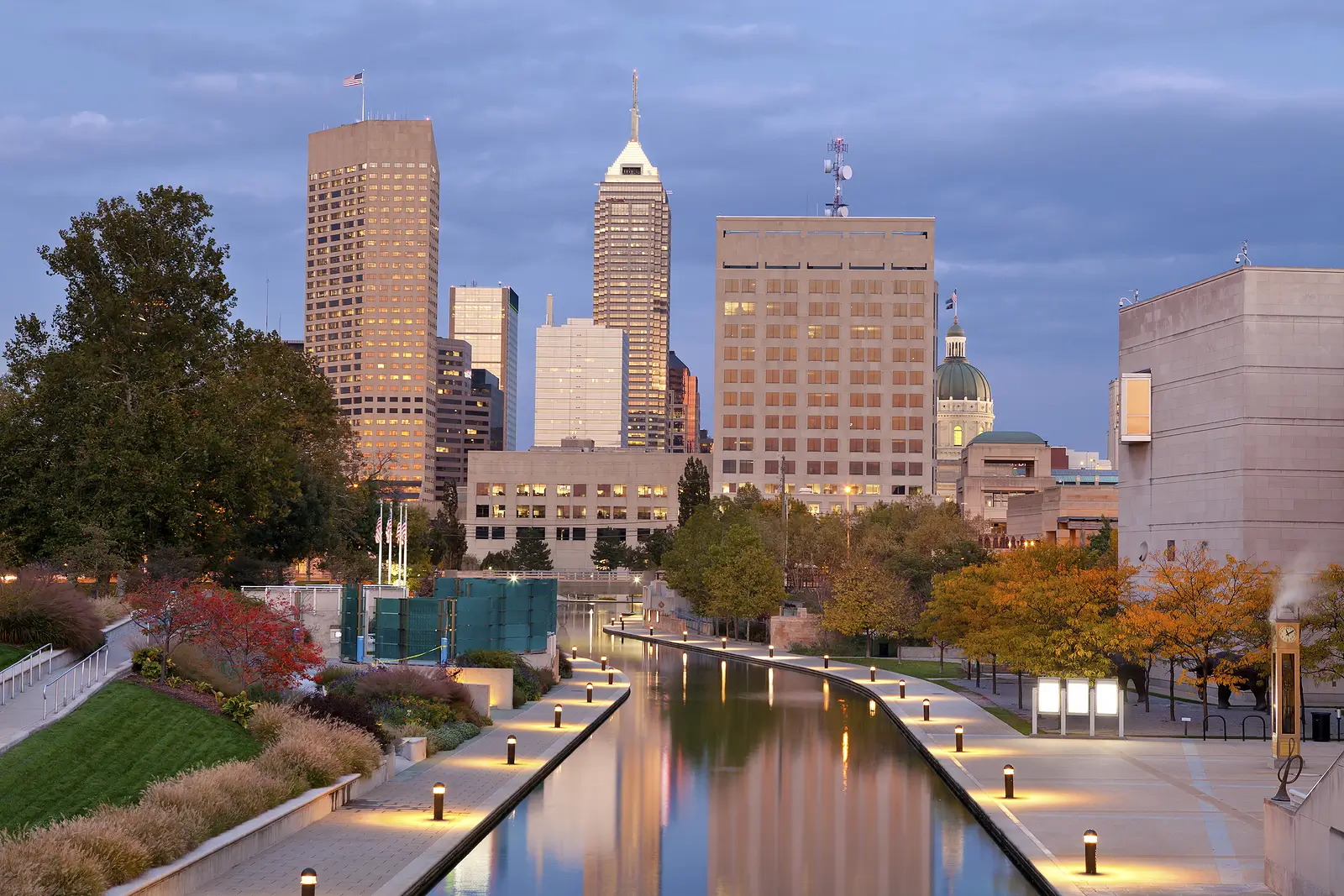
Downtown Indianapolis is in the midst of a quiet transformation. Once office buildings filled with cubicles and long-time office tenants, these older office buildings are being reimagined as homes, restaurants, and community spaces.
What began as a response to shifting work habits has become a broader movement toward creating walkable, connected neighborhoods that blend residential and commercial life. Through adaptive reuse projects, developers are breathing new life into aging and even historic buildings, conserving materials, preserving history, and redefining how the city lives and works.
Our team at PMI Midwest sees this evolution up close every day. Our work managing and supporting mixed-use development projects gives us a front-row seat to how these building conversions are reshaping the office market and influencing the future of local real estate and urban development.
Continue reading to explore how downtown Indianapolis is embracing this new era of downtown living and what it means for landlords, investors, and the city.
Key Takeaways
- Mixed-use development is reshaping downtown Indianapolis, turning vacant office buildings into vibrant hubs for residential units, coworking areas, and retail destinations.
- Adaptive reuse supports sustainability, conserving materials and preserving local architecture while reducing the need for new construction.
- City partnerships and local governments play a major role, offering tax incentives, historic tax credits, and redevelopment support for affordable housing.
- Landlords and investors have an opportunity to convert offices into residential properties and mixed-use spaces that match today’s demand for connected living space.
The Rise of Mixed-Use Development
Walkability and Everyday Convenience
A national poll by ICSC found that 56 percent of adults consider it “very important” to have daily destinations nearby. Mixed-use developments and mixed-use buildings answer that preference by design, placing grocery stores, housing, and commercial space within walking distance and near public transportation.
Vibrant and Connected Communities
By integrating multiple functions within one area, these development projects attract diverse residents and businesses, increasing local activity and community engagement. They also promote economic growth and social connection, which are essential ingredients of sustainable urban development.
A Stable Investment Mix
For property owners, mixed-use projects offer a balanced portfolio, combining income from both residential spaces and businesses. These models have gained growing popularity among investors seeking flexibility and resilience as market conditions shift.
Adaptive Reuse: Turning Offices into Homes
Understanding the Financial Structure
Converting office buildings into residential conversions typically involves two stages of financing: acquisition and redevelopment.
This structure can be challenging where office values exceed apartment economics, yet the availability of federal historic tax credits and financial incentives helps facilitate building conversions.
Design and Structural Realities
Office-to-apartment conversions often require reworking existing buildings to meet residential codes. Deep floor plates, plumbing additions, and accessibility upgrades can raise construction costs.
Still, such projects often prove more cost-effective than new construction when properly planned.
Zoning and Environmental Upside
Since most office space is zoned commercially, zoning regulations and approvals must be addressed early. Still, adaptive reuse reduces demolition waste, preserves old buildings, and aligns with sustainability goals championed by federal agencies and city leaders.
Why Indianapolis Is Leaning In
Shifting Office Dynamics
Indianapolis reflects a national shift: older office buildings struggle with office vacancies, while hybrid work pushes developers toward office-to-residential conversion and residential conversions. These conversion projects have helped jump-start the downtown housing boom.
Downtown Projects Transforming the Skyline
Several development projects are reshaping the central business district.
- 220 N. Meridian (former AT&T building): a $110 million redevelopment project by Keystone Group, adding 216 rental apartments completed in 2023 with 51 more in the pipeline, plus parking and amenities.
- Gold Building / City Market Plaza: a plan for about 354 housing units within a larger revitalization.
- 130 E. Washington Street (Pembroke Place): a $40 million office to residential conversion, creating up to 180 multifamily housing units, supported by federal historic tax credits and a $4.2 million, 10-year abatement.
Together, these account for roughly 600 new housing units, a clear sign of Indianapolis’s growing downtown living appeal.
Public Investment and Support
The City has committed about $35 million in incentives and uses federal resources and local governments to facilitate building conversions.
Projects often include affordable units, public art, or workforce housing components. This reinforces the city’s commitment to inclusivity and community growth.
Economic and Community Impacts
Office conversions have revived street-level energy, turning quiet corridors into thriving mixed-use spaces. By activating the ground floors of historic buildings, adaptive reuse projects draw residents back downtown and spark economic growth for local retailers.
As office vacancies shrink through conversions, the office market has seen modest stability. If momentum continues, city leaders and developers may see more adaptive reuse projects enhancing Indianapolis’s downtown ecosystem.
Addressing Housing Demand
Conversions are expanding the housing supply and easing the housing crisis by creating affordable housing and rental apartments in prime locations. While most development projects won’t solve affordability on their own, they can help meet population growth and housing demand downtown.
This balanced approach allows Indianapolis to evolve its urban core into a vibrant mix of residential properties, business centers, and public amenities.
Challenges and Opportunities Ahead
Conversion Hurdles
Developers face rising construction costs, multi-phase financing, and regulatory barriers. Updating existing buildings for residential use (especially older office buildings) requires new systems, insulation, and modern design.
When It Works Financially
Conversions can still be cost-effective when historic tax credits, federal agencies, and local tax incentives align. The 130 E. Washington project is one example where adaptive reuse and smart incentives offset increasing construction costs.
City Tools and Collaboration
Indianapolis continues to support conversion projects with financial incentives and redevelopment assistance. Collaboration between developers, planners, and local governments remains key to sustainable progress.
Best Practices for Developers and Landlords
These tips are useful to property owners exploring office-to-apartment conversions or residential conversions:
- Target older office buildings or historic buildings with natural light and flexible layouts.
- Secure historic tax credits and local tax incentives early.
- Prioritize mixed-use development that includes commercial space for community activity.
- Engage local governments early to align with zoning regulations and community plans.
These steps ensure conversions contribute meaningfully to Indianapolis’s urban development goals.
FAQs
1. Why are so many office buildings downtown being converted into apartments or mixed-use spaces?
Hybrid work reduced demand for traditional office space, leaving many vacant office buildings. Adaptive reuse projects help fill these gaps while supporting downtown living and revitalizing the central business district.
2. What incentives exist for converting office buildings?
Developers can access federal historic tax credits, local tax incentives, and public-private partnerships that make office-to-apartment conversions financially viable.
3. How do office conversions support sustainability?
By reusing existing buildings instead of starting new construction, adaptive reuse lowers waste, conserves materials, and protects the city’s historic buildings.
4. Are these projects helping with the housing shortage?
Yes. Conversion projects increase housing units downtown and often include affordable units, easing the city’s housing crisis and supporting steady economic growth.
Looking Ahead: A Downtown Defined by Possibility
Indianapolis’s downtown is evolving from a place people commute to into a place people truly live in. More than just a real estate trend, the rise of office-to-residential conversion and mixed-use development represents a shift toward a more connected, sustainable urban core.
PMI Midwest helps property owners and investors navigate this transformation with insight grounded in real-world experience. Each adaptive reuse project adds character, density, and new life to the heart of the city.
Whether managing established mixed-use buildings or advising on residential conversions, we help ensure every property thrives within this new landscape of urban development and economic growth.
Contact us today to learn how expert management can transform your existing building into a high-performing part of Indianapolis’s future.